

Across the refuse and recycling collection industry, material contamination remains one of the biggest challenges, driving up costs, reducing the quality of recycled materials and limiting the positive environmental impact of progressive recycling programs. 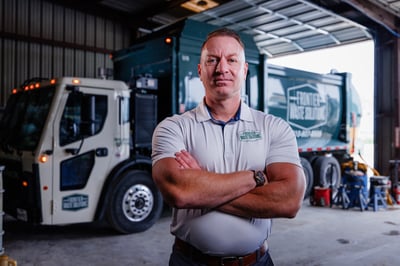
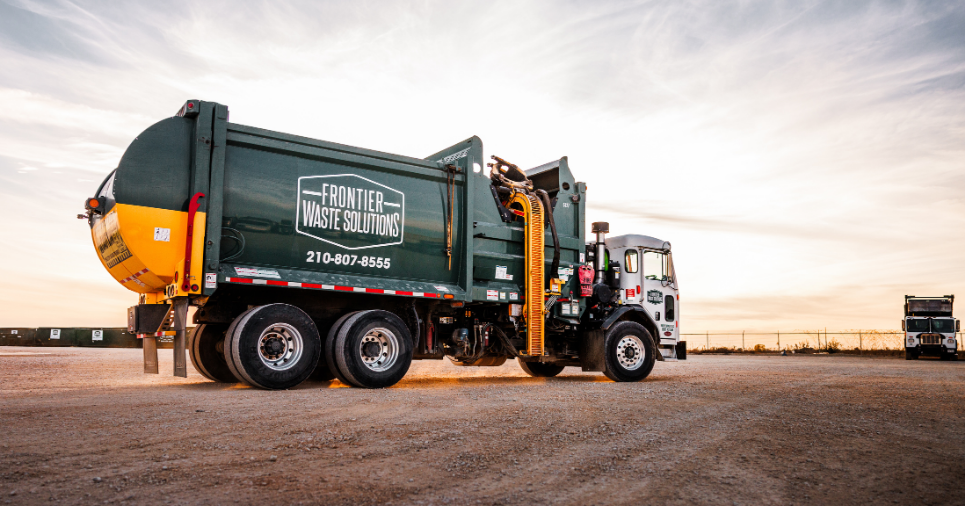
For Frontier Waste Solutions, a Central Texas-based refuse and recycling provider, solving this challenge meant going beyond traditional collection.
Our team sat down with Mark Chappen, Area Vice President of Central Texas at Frontier Waste Solutions, to learn more about their unique challenges and the innovative contamination detection solutions that are helping them now and into the future.
Background: Serving a Growing and Diverse Region
Frontier Waste Solutions takes pride in keeping Texas beautiful, one community at a time.
“We serve anybody within our footprint, from residential to commercial to industrial customers,” said Mark Chappen, Area Vice President of Central Texas at Frontier Waste Solutions. “We also partner with municipalities to service their trash and recycling needs across the state.”
With this geographic size and scale comes complexity. Each customer segment and municipality brings different expectations, behaviors and challenges, especially when it comes to recycling.
But Frontier Waste Solutions is committed not only to quality customer service, but also to environmental responsibility on all operational fronts.
The Industry Challenge: Material Contamination in Recycling Streams
Recycling contamination is a well-known issue across the industry.
Items that don’t belong in recycling bins — like pizza boxes, plastic bags and household waste can compromise entire loads, increasing processing costs and reducing the value of recyclable materials.
“Contamination is a big issue across the industry,” Chappen explained. “It leads to higher processing rates, which directly impacts the customer.”
For Frontier Waste Solutions, the challenge wasn’t just identifying contamination; it was pinpointing where it happens and changing customer behavior at the source.
Take a closer look at the impact of contamination in recycling streams and why detection technology matters.
The Solution: A Data-Driven Approach to Recycling Collection
To address this challenge, Frontier Waste Solutions partnered with McNeilus to implement material contamination detection technology directly on its recycling trucks.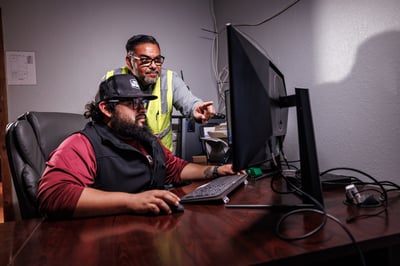
The recycling contamination detection system identifies non-recyclable items at the point of collection and feeds that data back to Frontier’s operations team in real time.
“What we appreciate from the technology is the ability to identify contamination at the point of collection and take that data back to the customer.” - Mark Chappen
The system detects 90 contaminants, including:
- Pizza boxes
- Plastic bags
- Dirty diapers
- Large non-recyclable plastics
- Unexpected items like car seats
“There are well over a dozen different items that the system is targeting,” Chappen noted. The ability to track data and turn those data points into actionable items is where the impact on environmental initiatives can be seen.
With real-time insights, Frontier can go directly to customers or municipalities and show exactly what’s entering the recycling stream and where, as well as target specific items that may be troublesome or of particular interest to a community.
“McNeilus contamination detection technology gives us the ability to go directly to a customer or municipality and have real-time conversations. We can educate customers at the point of collection to help clean up the recycling stream.” - Mark Chappen
The ability to review real-time data and initiate direct customer conversations has led to meaningful behavior change.
“When we bring data back to customers, it’s kind of an ‘aha’ moment. Customers don’t realize that something like a dirty pizza box can contaminate an entire load.” - Mark Chappen
By addressing contamination at the source, Frontier is seeing benefits across its operations.
Clean recycling streams mean:
- High-quality materials delivered to material recovery facilities
- Low contamination-related processing costs
- Better environmental outcomes
“Finding contamination and eliminating it from the recycling stream gives us the ability to provide a more cost-effective product to the material recovery facilities.” - Mark Chappen
Key Features Designed for Real-World Recycling Operations
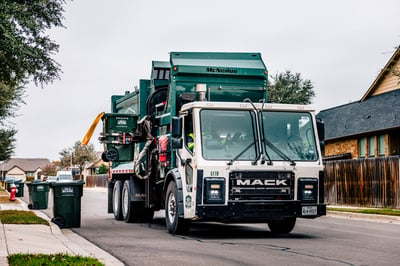 The McNeilus material contamination detection system is built to work seamlessly within daily collection operations while delivering actionable insights behind the scenes.
Key system features include:
- Automated Material Contamination Detection: The system uses onboard cameras and AI to identify contaminants in real time at the point of collection, eliminating guesswork and manual inspection.
- No Driver Interaction Required: Detection happens automatically, allowing drivers to stay focused on safe operation and efficient route completion.
- Real-Time Data Capture and Reporting: Contamination events are logged instantly and transmitted to operations teams, providing visibility into recycling stream quality.
- Image-Based Verification: Captured images give operations teams and customers clear visual proof of contamination, supporting more effective education and accountability.
- Actionable Insights for Customer Education: Data can be tied to specific routes, stops, or customers, enabling targeted outreach and behavior change initiatives.
- Integration with Existing Fleet Operations: The system integrates with Frontier’s existing workflows and fleet vehicles, requiring no service disruption while promoting overall visibility and control.
The material contamination detection system can identify 90 contaminant types, including plastic bags, Styrofoam, textiles, glass, yard waste, and hazardous materials with outstanding accuracy. Moreover, the system is designed to work with any residential side-loader, regardless of manufacturer, making material contamination detection accessible to all.
Learn how the technology works and review frequently asked questions.
Simple and Efficient Contamination Technology Integration
McNeilus’ modular contamination detection solution allowed Frontier to integrate the technology into its existing refuse and recycling operations. Designed for flexibility, Contamination Detection Kit installations are completed by McNeilus service teams, ensuring precise setup and reliable performance for a wide range of vehicle types.
For Frontier Waste Solutions, reducing contamination isn’t just about improving recycling metrics; it's about building smarter systems, stronger customer partnerships, and a positive environmental impact.
With the help of McNeilus, Frontier is now able to deliver measurable value to customers, both operationally and environmentally.
By combining real-time data with proactive education, the company is helping customers make better decisions, helping municipalities achieve sustainability goals, and supporting the industry as it seeks to move toward cleaner, more efficient recycling streams.
Interested in seeing what’s possible for your fleet operations?
Connect with a McNeilus representative or request a demo to explore how material contamination detection technology can support your collection operations and help reduce contamination.