
Smart Material Contamination Detection for Clean Collection

Refuse and Recycling Collection Material Contamination Detection Technology

As contamination challenges refuse and recycling collection efficiency, McNeilus’ Material Contamination Detection system delivers a smart, data-driven way forward. The advanced system leverages artificial intelligence, edge computing and cloud-based analytics to accurately identify more than 80 contaminants as they are collected.

Fully compatible with any residential side loader truck, the McNeilus standalone system gives operators the flexibility to modernize their collection process and meet the rising demands of municipalities and sustainability-driven contracts.

Refuse and Recycling Material Detection FAQs

+-

What is a material contamination detection system for refuse and recycling collection trucks?

A contamination or material detection system uses cameras, sensors and AI to identify materials as they’re deposited into a truck’s hopper. The McNeilus technology analyzes every load in real time to detect misplaced recyclables in the waste stream or contaminants in recycling, helping haulers and municipalities reduce contamination and improve recycling quality.

+-

Can the McNeilus refuse and recycling contamination detection system be installed on non-McNeilus vehicles?

Yes. The McNeilus material contamination detection technology system is a standalone, modular kit designed for agnostic integration with any residential side-loader, regardless of manufacturer. Each kit includes cameras, a control box, harnesses and lighting. 

+-

What contaminants can this technology detect?

The system detects more than 80 material types, including plastic bags, Styrofoam, textiles, glass, yard waste and hazardous materials, with excellent accuracy. As the AI model processes new data, it continues to learn and expand its detection capabilities to identify emerging materials.

+-

Does the vehicle operator see the contamination alerts?

No. The system operates automatically in the background, allowing drivers to stay focused on collection. All data and images are securely sent to a cloud-based dashboard, where managers can review contamination levels, verify images and track route-level trends.

+-

How does this technology help communities meet sustainability goals?

By giving haulers and municipalities visibility into contamination patterns, the McNeilus material contamination detection technology enables effective education and compliance within refuse and recycling programs. Communities can track contamination by customer or neighborhood, document progress toward diversion targets and make data-driven decisions to support long-term sustainability goals. Strong AI accuracy eliminates the need for continuous back-office human verification of results. Instead, results can go straight to each customer, boosting efficiency, lowering costs and allowing customers to feel confident in collection stream management.  

Why Material Contamination Detection Matters

Contaminants in the recycling and refuse stream has long been one of the industry’s biggest challenges. When non-recyclable items make their way into recycling containers or when valuable recyclables end up in waste, they can create inefficiencies that ripple through the system. Recycling contamination can cost time, money and credibility. McNeilus’ material contamination detection technology helps address that using AI to spot, track and control contaminants at the source.

  • Sorting facilities experience added strain, equipment wears down and the overall quality of recovered material declines.
  • Haulers can face high processing costs and missed diversion targets.
  • Cities and municipalities may fall short of sustainability commitments and lack the data needed to educate repeat offenders.

McNeilus’ material contamination detection system offers clear, route-level insight into contamination sources and trends, empowering operators to make informed decisions, including rerouting loads, targeted education efforts or even addressing compliance issues before they escalate.

Material contamination detection is about turning data into action; helping haulers, municipalities and citizens work together toward clean recycling streams, effectively managing waste and a more sustainable future.

How the McNeilus System Works

With the McNeilus material contamination detection system, every pickup becomes a source of insight.

+-

Step 1: Detect and Analyze

Cameras scan each load as materials are emptied into the hopper, identifying items that don’t belong, like waste contaminants in recycling and recyclable materials misplaced in refuse.

+-

Step 2: Process and Upload

Once captured, the data is securely uploaded to the cloud for real-time visibility. Each pickup location is logged, time-stamped and rated by contamination level. 

+-

Step 3: Review and Act

Managers can log in through a secure, interactive cloud dashboard to review images, identify contamination patterns and track trends across routes or service areas. The dashboard provides photo verification for each contaminated pickup. 

+-

Step 4: Educate and Improve

With clear data at their fingertips, haulers and municipalities can identify recurring contamination issues, target education campaigns and document compliance for sustainability reporting or contract requirements.

Because the system operates entirely in the background, drivers stay focused on collection. There’s no in-cab display, alerts or manual interaction; just seamless, automated material contamination detection intelligence at work.

key features

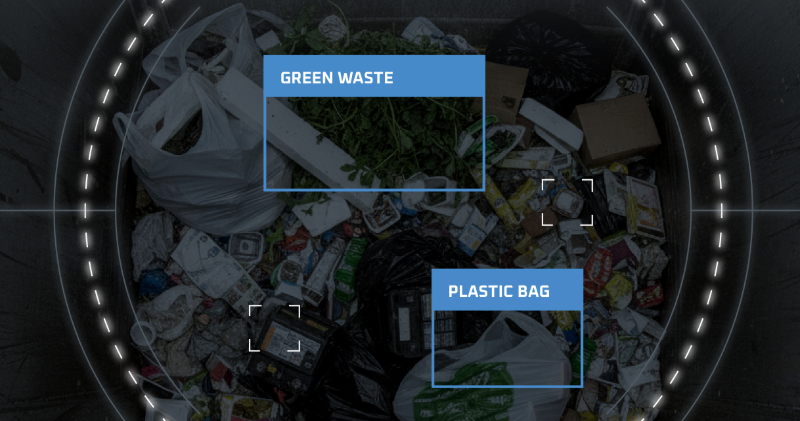
AI technology identifies green waste and plastic bags in a waste collection hopper to reduce contamination.

Detects More Materials.

The system can identify over 80 contaminant types, including plastic bags, Styrofoam, textiles, glass, yard waste and hazardous materials with outstanding accuracy. 
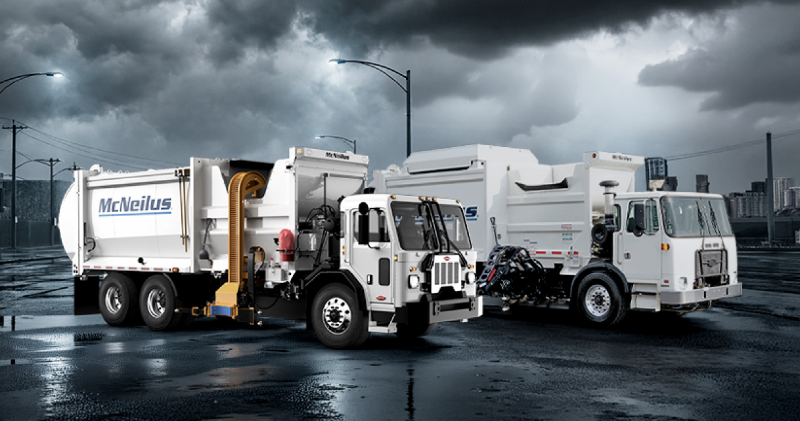
Two McNeilus refuse and recycling trucks equipped with material contamination detection technology.

Agnostic Integration for Any Vehicle.

The system is designed to work with any residential side-loader, regardless of manufacturer, making advanced detection accessible to all.

Digital map with glowing location pins illustrating AI-powered material contamination tracking and data analytics.

Customizable to Each Community’s Priorities. 

The system can be tailored to detect region-specific materials contaminants, ensuring communities receive only the data that’s relevant and actionable.
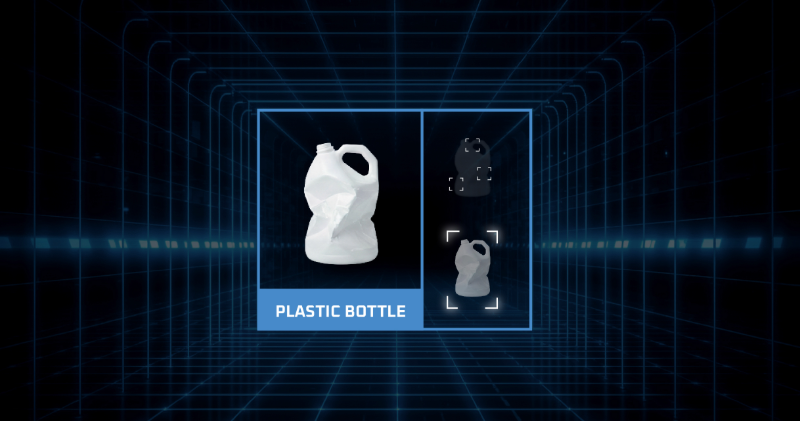
McNeilus AI detection system identifies a plastic bottle contaminant to support clean recycling and refuse collection.

Continuous Learning for Smarter Performance.

Using a continuous AI learning model, the system adapts as it encounters new materials or contamination patterns, helping communities stay proactive as new disposal challenges arise.

McNeilus leads the industry with broader detection, higher accuracy and intelligent adaptability—all in a system that’s easy to integrate and maintain, and ready for the future of connected refuse and recycling collection.

Feature / Capability McNeilus Material Contamination Detection System Other Detection Systems
Detection Capabilities Detects over 80 material contamination types with exceptional accuracy, including plastics, textiles, glass, yard waste and hazardous materials. Typically detects 1–3 materials (commonly just black plastic bags).
System Design ✅ Few, durable components (camera, light, control box), which are easy to install and maintain. ❌ Complex setups requiring multiple sensors and frequent maintenance.
Customizable ✅ Yes, tailored to each city’s contamination priorities (e.g., yard waste, etc.). ⚠️ Limited, often limited to preset contaminant types.
Agnostic Integration ✅ Yes, tailored to each city’s contamination priorities (e.g., yard waste, etc.). ❌ No, often limited to same-brand vehicles.
AI-Based Learning ✅ Yes, continuously trains to detect new contaminants like e-waste and batteries. ⚠️ Limited, static system with minimal learning capability.

Installation and Integration

McNeilus makes it simple to bring advanced material contamination detection to your refuse or recycling collection operation. The technology is delivered as a modular ‘Contamination Detection Kit’ designed for straightforward installation and seamless compatibility across multiple vehicle types.

Each Contamination Detection Kit includes high-performance cameras, a control box, harnesses and lighting components engineered for durability and optimized visibility in real-world collection conditions.

Installations are completed by McNeilus service teams, ensuring precise setup and reliable performance.
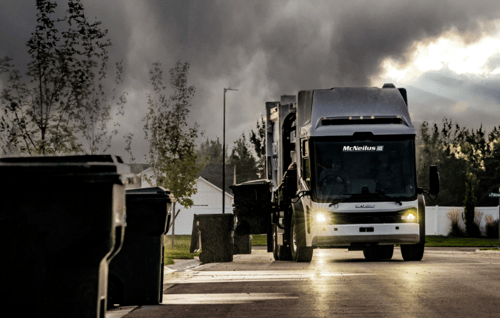
McNeilus refuse truck with AI material contamination detection technology collecting waste in a neighborhood.

Turn Every Collection Stop into Actionable Intelligence

Contamination is one of the biggest challenges facing today’s refuse and recycling industry and McNeilus is redefining how it’s solved.

Ready to see it in action?

Request a demo or contact a McNeilus representative to learn how the technology can transform your refuse and recycling collection operations to help you meet your contamination reduction goals.
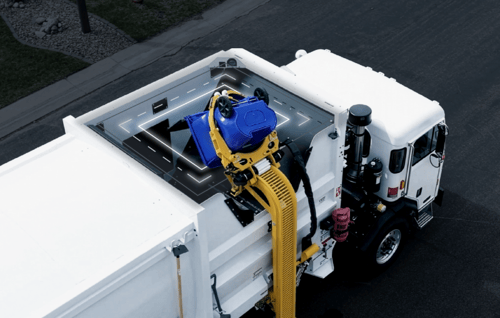
AI material contamination detection system on a McNeilus garbage truck identifies waste entering the hopper.